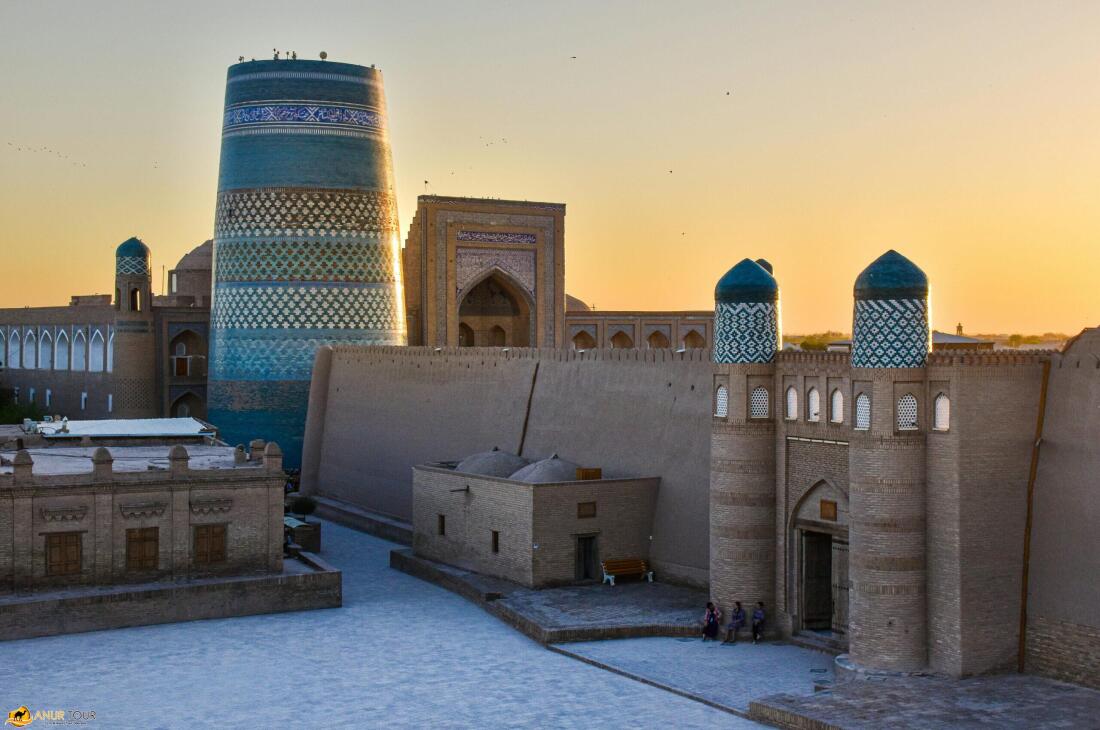
 Khiva
Khiva
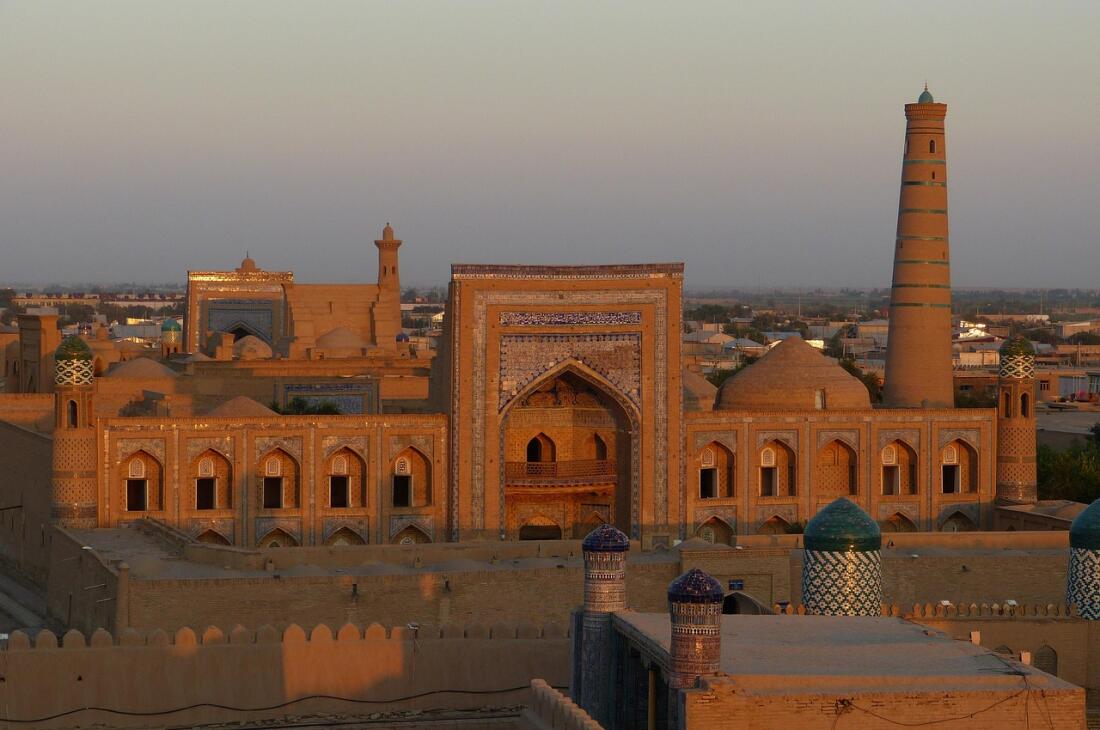 Muhammad Rakhim-Khan Madrasah
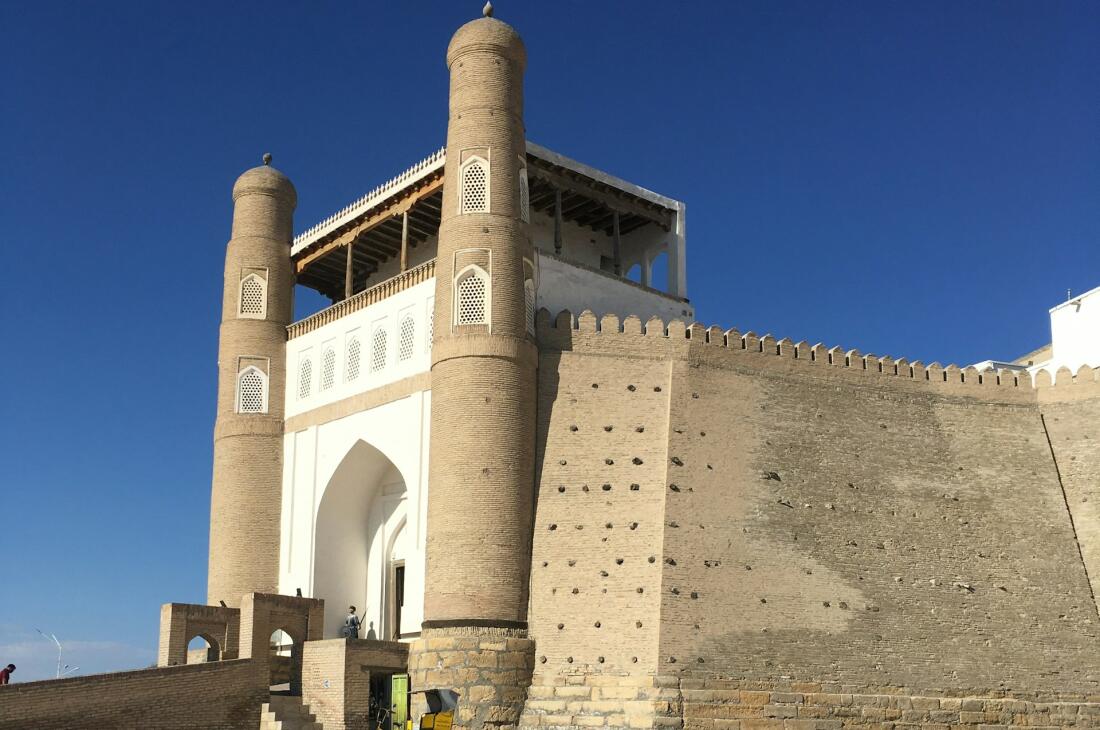 The Ark of Bukhara
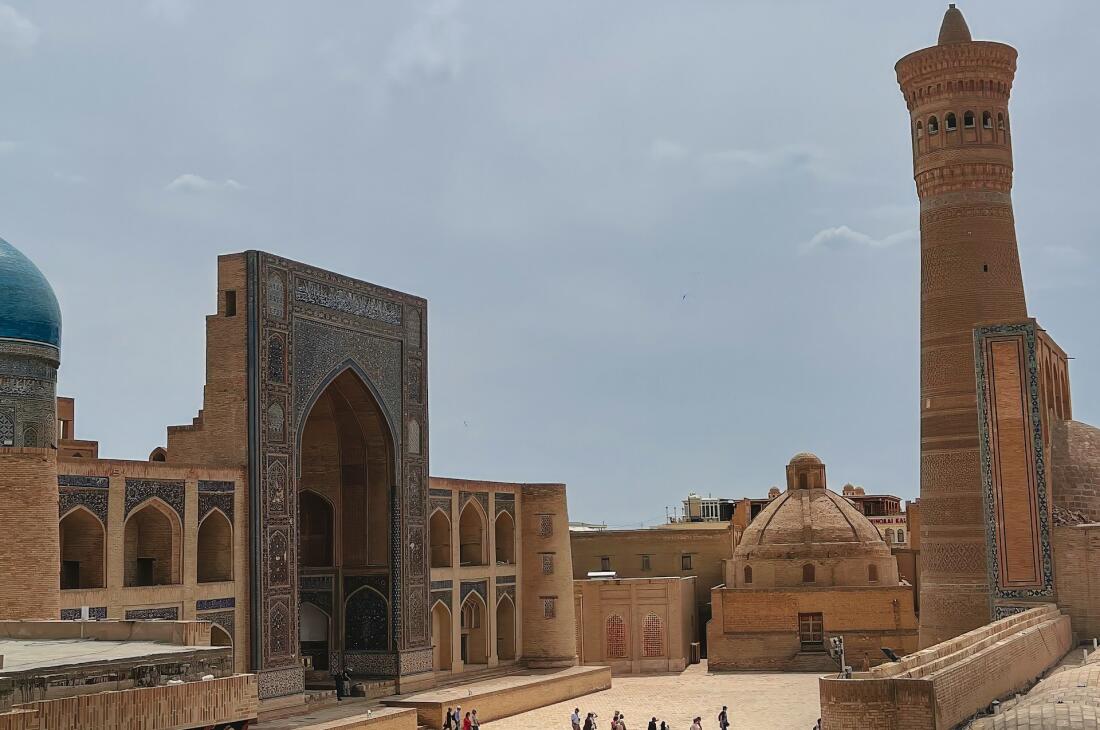 Poi-Kalon complex
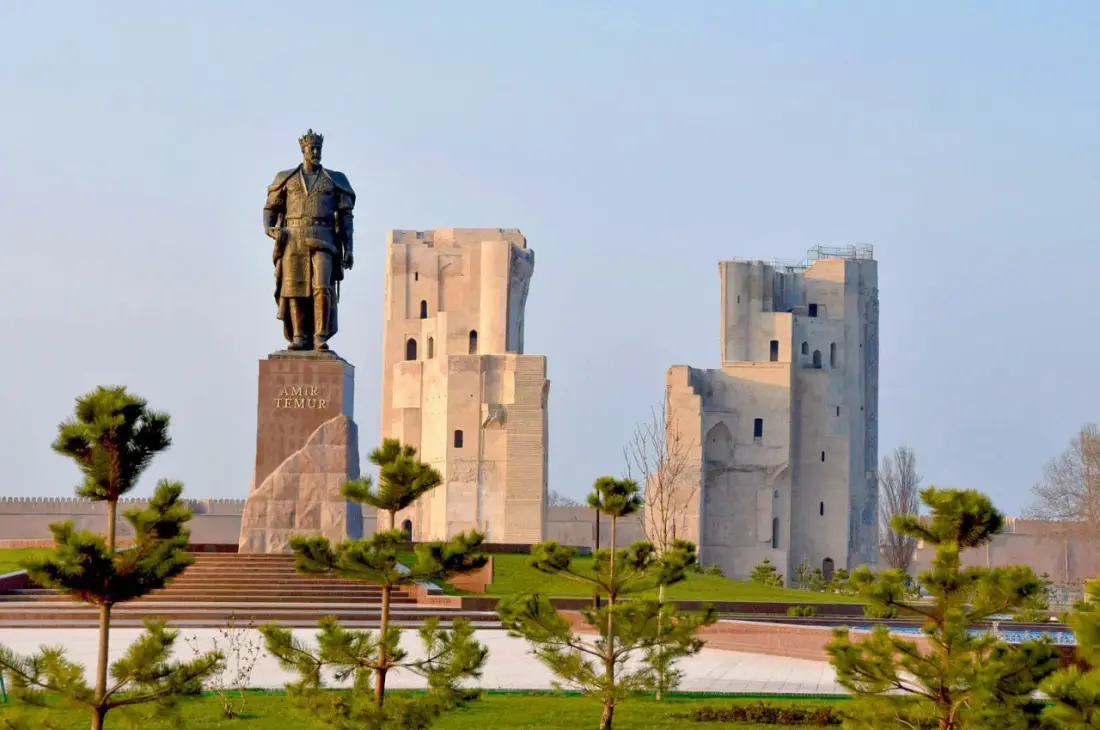 Shakhrisabz
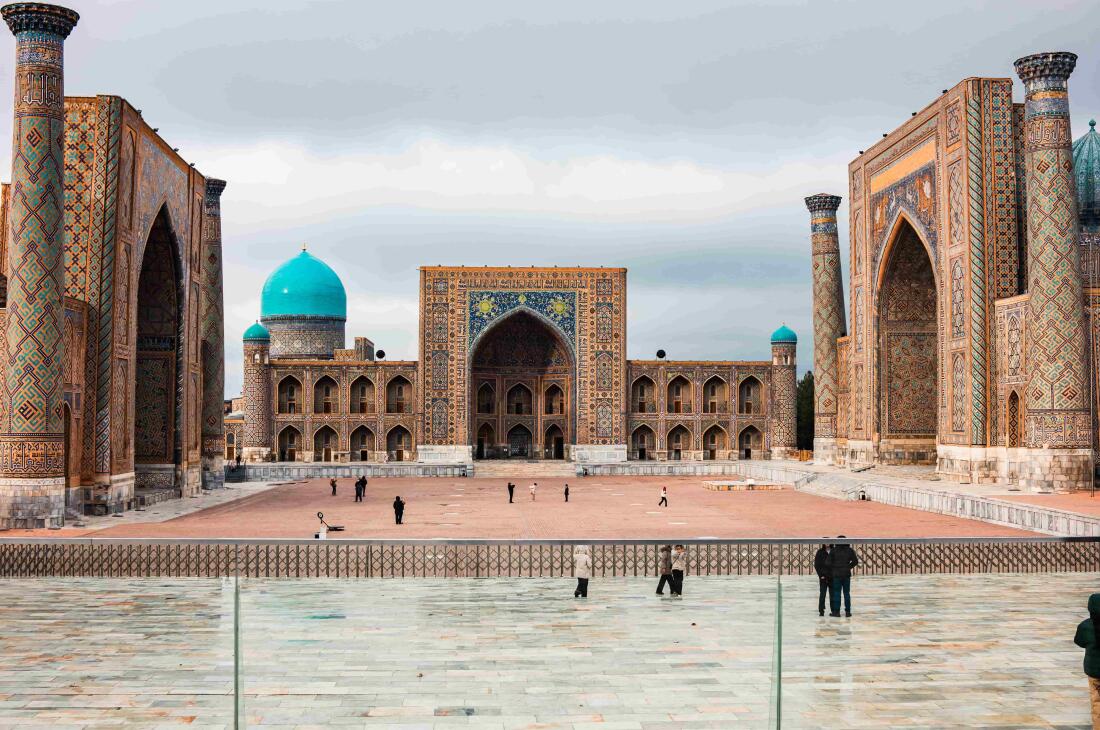 Registan
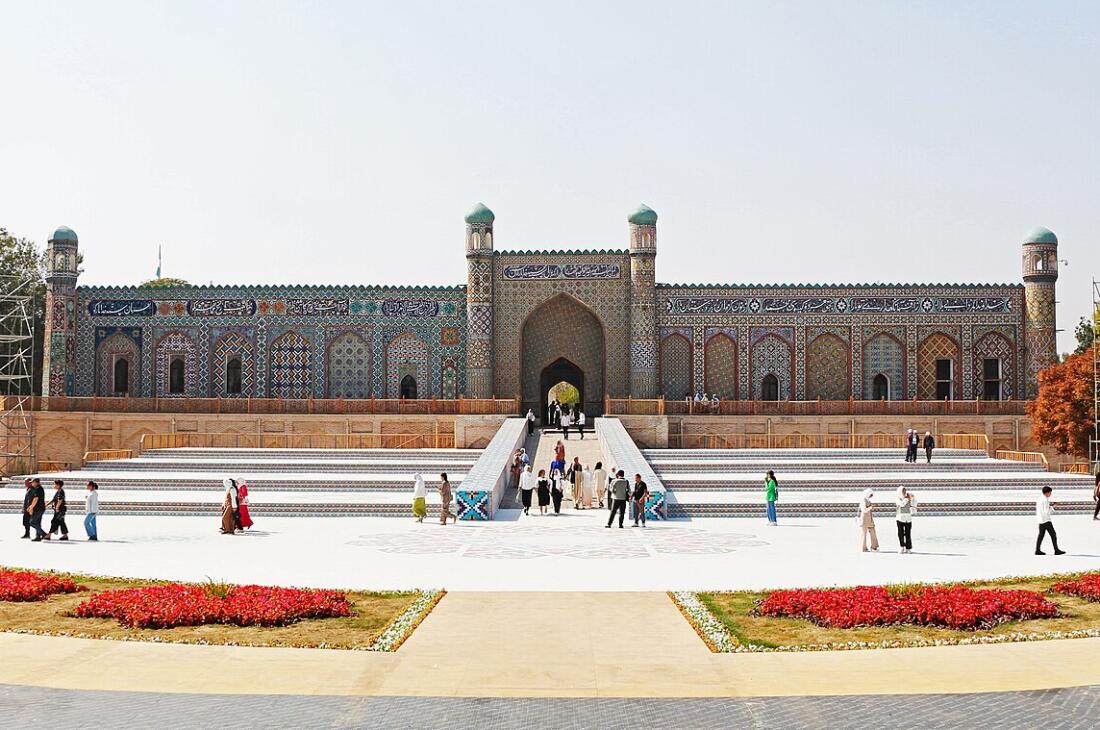 Palace of Khudayar Khan
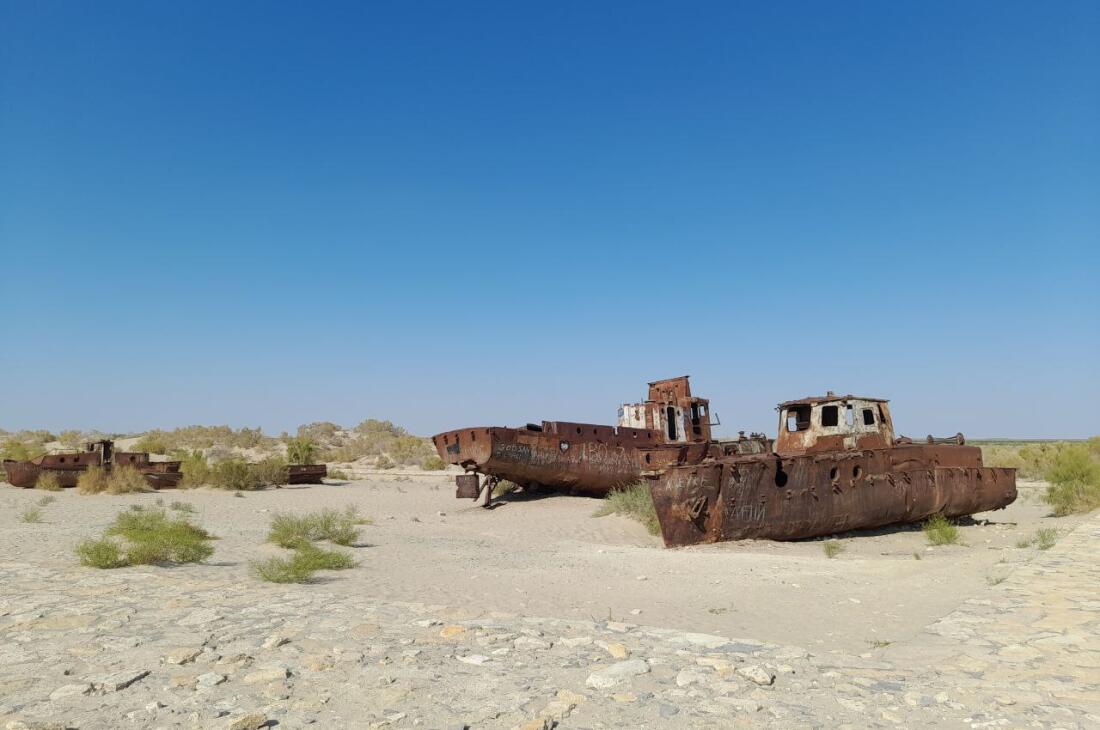 Ship Graveyard
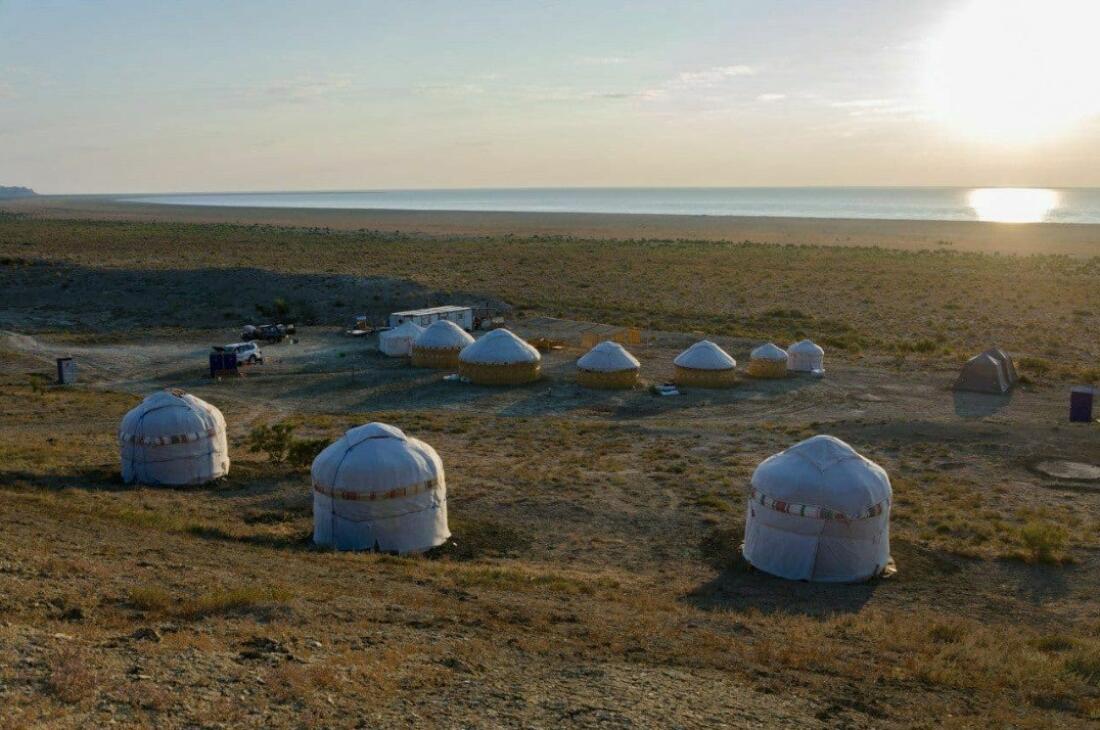 Yurt Camp near Aral Sea
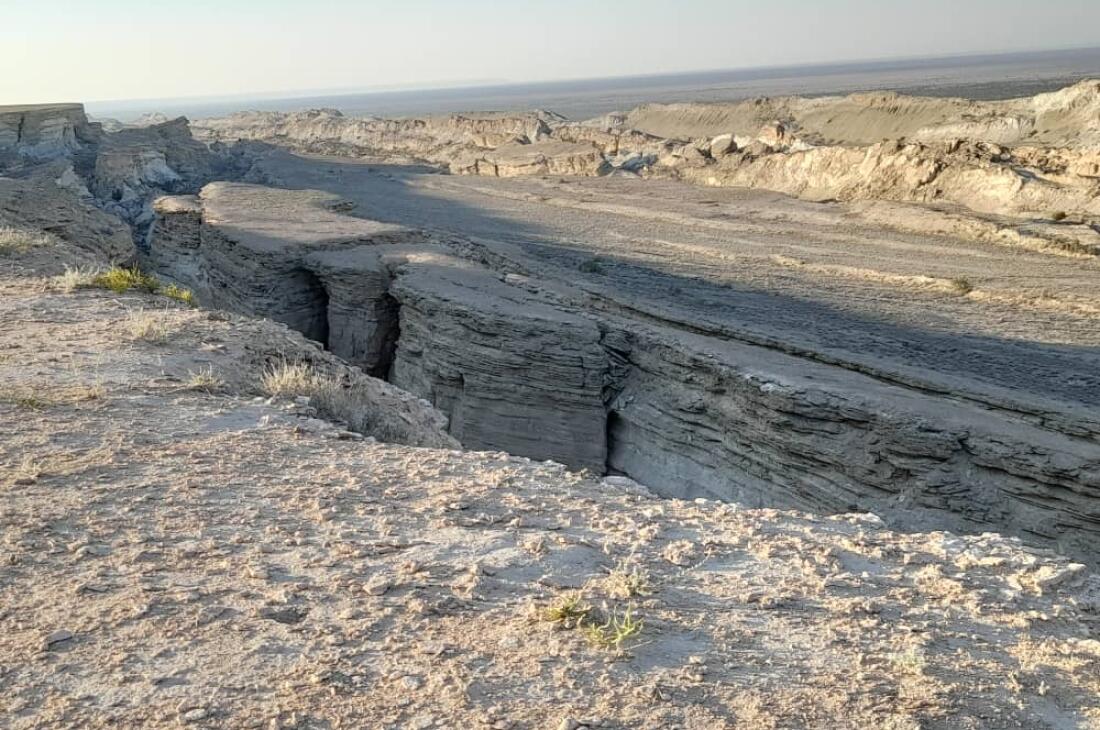 Ustyurt Plateau
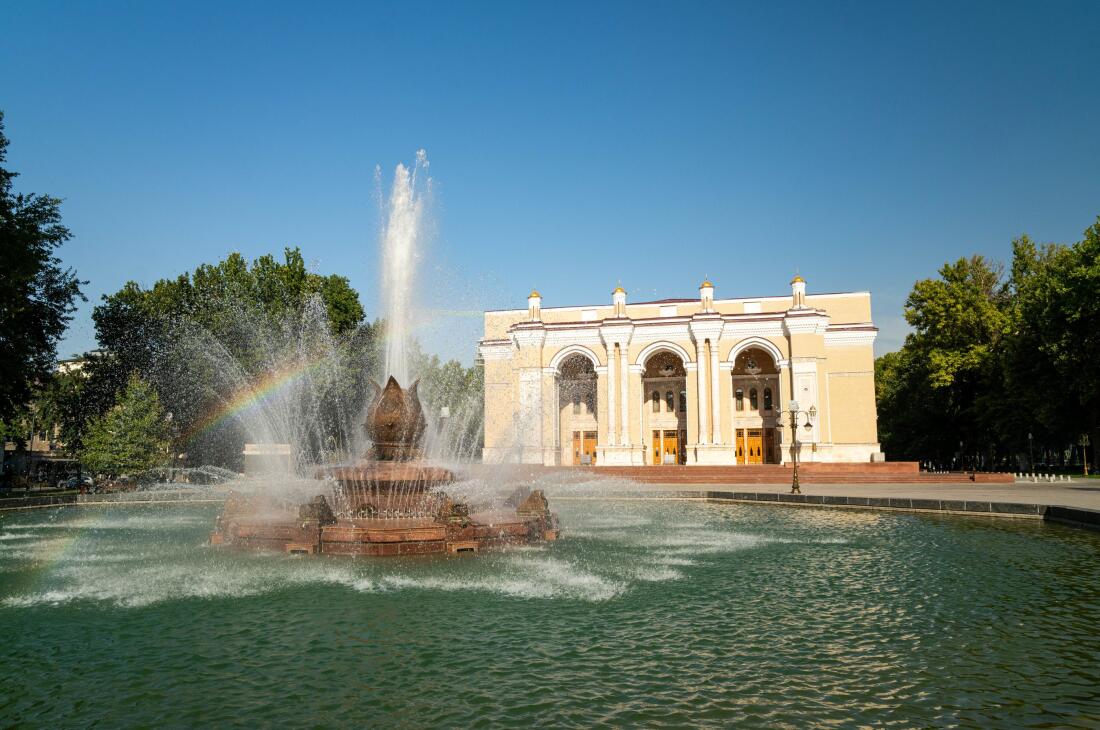 Alisher Navoi Opera and Ballet Theatre
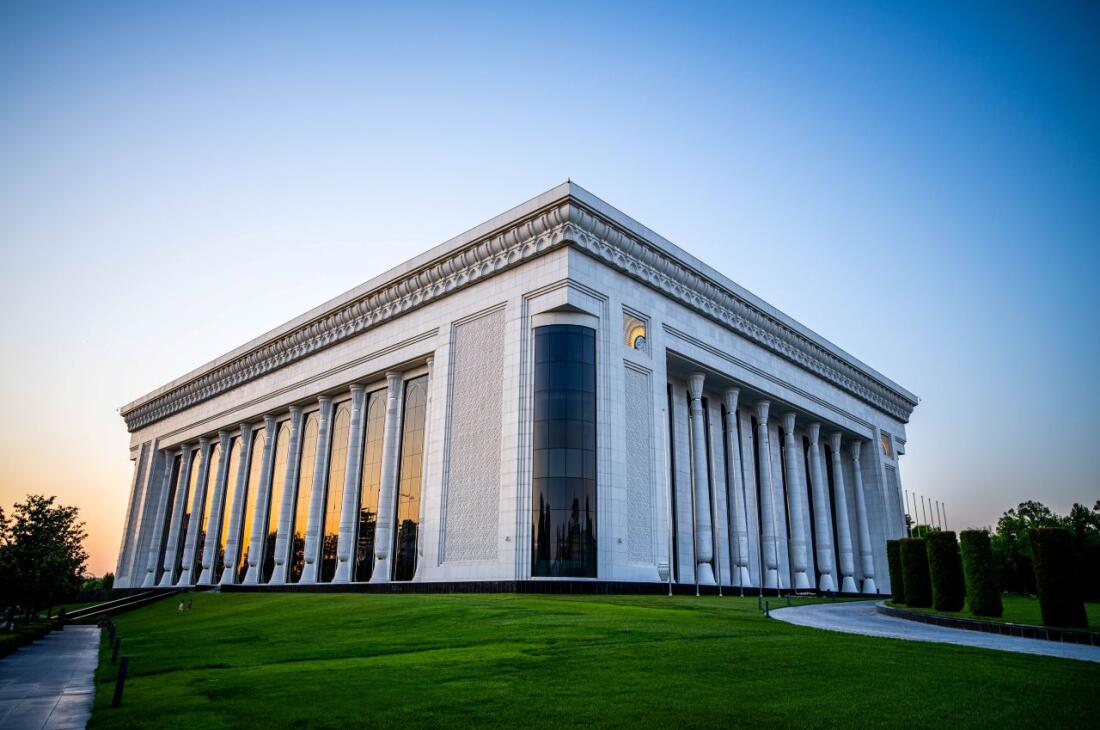 International Forums Palace
 Shah-i-Zinda
Breakfast at the hotel.
05:30 Transfer to the local airport.
07:00 Flight Tashkent – Nukus HY 11.
08:40 Arrival in Nukus.
Come out of the terminal to meet the driver and guide at the meeting zone.
Transfer to Muynak city, which used to be one of the richest cities in the delta of Amu-darya, ” the gates to Uzbekistan from the sea”. Nowadays, there is only the ship cemetery of the Aral Sea, 200 kilometers from the present seashore.
- Visit the Mizdakhan necropolis on the way back to Nukus (about 20 km from Nukus), an ancient cemetery located next to the remains of the Gyaur-Kala fortress (4th-3rd Century BC).
- Gaur Kala (translated as the fortress of pagans) was a Zoroastrian town with a citadel, a fire altar, and a large cemetery nearby. Even after the Arab invasion and Islamic expansion, the town was inhabited until the 14th century, and people continued to bury their relatives in Mizdakhan as they believed the place was sacred.
Arrival in Nukus.
Resting time in the afternoon. Overnight at the hotel.
Breakfast at the hotel.
09:00 Meet the guide in the lobby. Start the walking excursion in the historical part of Khiva – Ichan-Kala (translated as “Inner Town”) - the largest Museum in the open air in Central Asia :
- Ata-Darvaza, Kunya- Ark;
- Madrassah of Muhammad Rahim Khan;
- Madrassah of Muhammad Aminhan;
- Kalta Minor, the Palace of the Allakulihan Khan of Khiva;
- Tash Hauli, where the harem of 40 concubines was;
- Caravanserai and Tim Allakulihan;
- Mausoleum of Seyd Allaudin,
- Islam-Khoja Madrassah - was built in 1908 by Islam-Khoja, the prime minister of the Khan. The minaret is a symbol of the country and is an early example of the architecture of the 14th century.
- Mosque and Jami Minaret.
Resting time in the evening. Overnight at the hotel.
Breakfast at the hotel.
Transfer by car Khiva - Bukhara (475 km, ~7 hrs) via the Kyzylkum Desert with short stops en route or by TRAIN (depending on train schedule /Dep.: 08:57/ Arr.: 14:50 / Tue, Fri, Sun)
Kyzylkum Desert - Kyzylkum (from Turkic, meaning «red sand») – is a sandy desert between the rivers Amudarya and Syrdarya in Central Asia. Its area is 300 thousand sq. km. In the north-west, the desert is limited by the hollow of the Aral Sea, on the north-east by the Syrdarya, and on the south-west by the Amudarya. In ancient times, the Great Silk Road passed through the Kyzylkum Desert. Thanks to it, such famous cities as Bukhara, Samarkand, and Khiva prospered. People of different professions worked here: sellers, interpreters, guards of caravans, and tax collectors. It is very strange, but there was a hectic life in the desert.
Arrival in Bukhara. Transfer to the hotel, check in.
Resting time.
Overnight.
Breakfast at the hotel.
09:00 Meet the guide in the lobby. Start the walking sightseeing program in Bukhara (5 hrs):
- Ensemble Lyabi Hauz (Nadir Divanbegi Madrassa, Khanaka, Kukeldash Madrassa, and the monument of Khodja Nasreddin);
- Magoki Attari Mosque is one of the oldest mosques to survive in Bukhara from the time before the Mongolian invasion.
- Abdullakhan’s Tim, with numerous handicraft shops of souvenirs, ceramics, national clothes, and carpets;
- Caravanserai Sayfuddin (the Center of Handicraft Development of Bukhara);
- Trading domes, or so-called covered bazaars, Toki Sarrofon, Toki Telpak Furushon, and Toki Zargaron, preserved from the 16th century, and these bazaars were the centers for trade of silk, jewelry, and money exchange. Nowadays, visitors can purchase different souvenirs of a wide range, from small souvenir magnets to the famous Bukhara carpets.
- Ulugbek and Abdulazizkhan Madrassas, or so-called Kosh (pair) madrassas, opposite each other with the distinctive style of facade ornamental decoration;
- Poi Kalon Square with Kalon Minaret and Mosque, Mir Arab Madrassa – the heart of Bukhara, a monumental complex that impresses the imagination;
- Ark Fortress – the oldest citadel, dating back to the 1st century BC, where one can feel the history of the great fortress covered in beautiful legends and myths.
Resting time in the evening. Overnight at the hotel.
Breakfast at the hotel.
09:00 Meet the guide in the lobby.
Start the Bukhara countryside tour by visiting.
- The last Bukhara Emir’s summer residence, "Sitorai-Mokhi-Khossa". Located 4 km away from Bukhara. Once this palace's life was in full swing, it sealed people's fates. The palace witnessed the triumph and the last days of the Bukhara emirs
- The Bakhauddin Naqshbandi mausoleum (the founder of the Naqshbandi Sufi Spiritual order), located near Bukhara, the memorial complex of Bakhauddin Naqshbandi is considered one of the most significant religious places of Bukhara that attracts many visitors.
- Chor-Minor Madrasah - Chor-Minor, known as Madrasah Halif Niyazkul (in Persian, “Four minarets”), was built by a merchant in 1807 in Bukhara.
Transfer to the hotel.
Resting time in the evening. Overnight at the hotel.
Breakfast at the hotel.
09:00 Transfer to Samarkand via Shahrisabz and the beautiful Takhta Karacha Pass.
Meet the guide in Shahrisabz.
- Ak Saray Palace (“White Palace”), the ruins of the summer palace of Tamerlane. The palace was constructed and decorated by skilled builders, masters, and artisans who were deported from the conquered Khorezm. Some parts of the gate tower survived to the present day.
- Mausoleum of Dorus-Saodat ("The Place of Power", 14th century) contains the tomb of Tamerlane’s eldest and favourite son, Jahangir.
- Kok Gumbaz, so-called “House of Meditation.
- Mausoleum Gumbazi-Seyidjon of the 16th century, where the descendants of Ulugbek are buried.
Arrival in Samarkand. Hotel check-in.
Resting time in the evening. Overnight at the hotel.
Breakfast at the hotel.
09:00 Start sightseeing program in Samarkand (6 hours):
– Gur Emir Mausoleum – a burial vault of Timur the Great and his descendants, decorated with gold ornaments and considered one of the most significant places in the world;
– Continue to the famous Registan Square – the heart of Samarkand and a real masterpiece of Central Asian medieval architecture, which consists of three grandiose buildings: Ulughbek Madrassa, Madrassa Sherdor, and Madrassa Tilla Kori.
Master class for cooking Samarkand pilaf in the National House.
Continue sightseeing tour visiting:
– Bibi Khanim Mosque – the biggest medieval building in the city, which was one of the most magnificent mosques in the Islamic world in the 15th century;
– Shahi Zinda Necropolis – a unique complex of mausoleums formed by standing on both sides of the cenotaph (an imaginary grave) belonging to the Muslim person named Saint Abbas ibn Kussam;
– Ulugbek’s Observatory – one of the finest astronomical centers in the medieval world was built by order of Ulugbek, an outstanding scholar and astronomer;
Dinner in the local restaurant (main dish: delicious manti).
Transfer to the hotel.
Resting time in the evening. Overnight at the hotel.
Free day in Samarkand.
16:50 Transfer to the railway station in Samarkand.
18:15 Departure for Tashkent by high-speed train "Afrosiyob".
20:30 Arrival in Tashkent.
Come out of the terminal and meet the driver. Transfer to the hotel.
09:00 Meet the guide in the lobby. Continue sightseeing in the Fergana Valley:
- Fergana is a relatively young city that was founded as a strategic fortified point in Turkestan in 1876 during the tsarist period of the region. The town was initially called New Margilan and, later in the Soviet period, renamed as Fergona in 1924. Nowadays, Fergana is a flourishing, beautiful town, and despite its young history, it has become the central point of the Fergana Valley.
- Visit Ahmad Al-Fargoni monumental complex and the Fergana Regional Museum, which has a fine collection of items relating to all periods of history, culture, and art of the Fergana Valley.
- Continue to Margilan. On the way, it's possible to visit the biggest bazaars of the Fergana Valley - Kumpeta Bazar (Thursday and Sunday).
Margilan (“Marg” from Persian green grass, “lon”- “place“) was an inhabited settlement in the Fergana Valley since the 4th–3rd centuries BC; the town was well known for its crafts and finest silk fabrics from the Great Silk Road period up to now.
- Said-Ahmad Hodji Madrassah, where craftsmen produce original silk carpets,
- Silk factory Yodgorlik, where visitors are welcome to observe the process of silk manufacture with traditional decoration “ikat”.
15:00 Transfer to the railway station in Margilan.
16:03 Departure for Tashkent by train "O'zbekistan".
21:17 Arrival in Tashkent.
The driver meets you at the terminal exit with a sign "ANUR TOUR". Transfer to the hotel.
Resting time in the evening; overnight at the hotel.
09:00 Meet with a guide.
Start a sightseeing tour of Tashkent (5-6 hrs), visiting old and new parts of the city:
- Amir Timur Square, founded in 1882 and originally called Konstantinovsky Square, was renamed on August 31, 1994, after Amir Timur to honor the cultural and historical contribution of the great conqueror.
Around the Square, there is the Museum of History of Timurids, the Uzbekistan Hotel, the Forum Palace, and the famous Tashkent striking clock.
- Tashkent striking clock, one of the major symbols of Tashkent.
- Theater Square with the Opera House: The State Academic Theater of Uzbekistan named after Alisher Navoi, built in 1947, is one of the best opera theaters in the world and performs both classical and national repertoires.
- Independence Square, the main square of Uzbekistan, reflects the past, present, and future of the country. There are fountains standing for the life energy of Uzbek people, the Cabinet and the Senate, and the “Eternal Flame" in honor of soldiers who died during the Second World War.
- Earthquake Memorial, the composition is devoted to the tragic date of the earthquake in Tashkent on April 26, 1966, and is erected in the approximate place of the earthquake epicenter. Residents still come to the monument to honor those people who took part in the reconstruction of Tashkent;
- Khast Imam Square – a religious center of the city consisting of the Barakkhan madrasah; Kaffal Shashi Mausoleum, and the library of Islamic Literature with the Holy Koran Book of the 7th century (original Quran Othman). Khast Imam is one of the most significant spiritual centers in Central Asia and attracts pilgrims and visitors from all over the world.
- Chorsu bazaar – the ancient bazaar of Tashkent. “Chorsu” means “four waters”, symbolically meaning the conjunction of four major parts of the old city in the bazaar where people come for trade. The bazaar's beautiful blue dome, built in traditional style after the Tashkent earthquake, is often depicted in postcards and international magazines and became one of the major sights of interest both for locals and guests – one can see the oriental tiled bazaar from different souvenir shops with ceramics, handicraft works, carpets, and jewelry, the whole pavilion full of delicious fruits to the finest textiles and colorful fabrics.
- Tashkent Metro (the first line was launched in 1977) with beautiful train stations, each decorated in a thematic style with traditional ornaments and special lighting.
Overnight at the hotel.
Take-away breakfast/ Breakfast at the hotel.
Transfer to Tashkent International Airport.
Morning departure flight from Tashkent.
End of the tour
Accommodation:
| Tashkent |
|
Standart:
Milan hotel
,
Marwa Tashkent Pool&Spa
,
Parklane Hotel
Comfort: Ichan Qala , Ateca , Inspira-S |
| Nukus |
|
Standart:
Pana Hotel
,
Jipek Joli Art
,
Fayz Hotel
,
Ratmina
,
Jipek Joli Inn, Nukus
|
| Khiva |
|
Standart:
Art Minor
,
Grand Vizir Hotel
,
Annex Hotel Khiva
,
Minor Boutique Hotel
Comfort: Asia Khiva , Erkin Palace , Zarafshon Boutique Hotel , Kamil Palace |
| Bukhara |
|
Standart:
Minzifa Boutique
,
Emir's Garden
,
An-Nur
,
Malika Bukhara
,
Basilic
,
Safiya Boutique
Comfort: Minzifa Boutique , Devon Begi , Komil Boutique , Devon Boutique |
| Samarkand |
|
Standart:
Afrosiab Palace
,
Khan Hotel
,
Shaxzoda Elite
,
Bibikhanum
,
SandHill
,
"Jahon Palace" Hotel
Comfort: Dilimah , East Star , Dilimah , Kosh Hovuz |
| Fergana valley |
|
Comfort:
Silk Road Kokand hotel
,
Tantana Hotel Fergana
|
- Check-in 14.00, check-out time 11.00. No early check-in/ late check-out is included unless indicated;
- Please note that the tour price does not include seasonal VAT 15 %, VAT can be added to the basic tour price.
- Please note that the drivers do not speak English or can speak only basic English;
- All the changes in the basic itinerary, the timing for transfers depending on the international flight departure/arrival time are to be discussed and pre-agreed;
- Please note that the train trip/s can be replaced for transfer/s by car depending on train tickets availability and trains schedule;
- After the date of publication, any changes in the hotels, air/train ticket prices, tax increase, and exchange rate fluctuation may influence the tour prices;
- Anur Tour is not responsible for the force majeure occasions (weather conditions during the tour, repairing-reconstructing works at some parts of roads, government restrictions).
12 days, from: $2075
Season: all year round
10 days, from: $1515
Season: all year round
4 days, from: $325
Season: all year round
3 days, from: $775
Season: all year round
8 days, from: $730
Season: all year round
15 days, from: $4495
Season: March - November